


The original version of this article, titled “You Can’t Erase the Pain – But You Can Choose What to Do with It”, was written by Roni Shkedy and was published on Israel HaYom on August 27, 2025. Find the original article here.
Teens from bereaved families recently joined an FIDF Legacy delegation to the U.S., where they discovered a community that understood them without words. Together, they shared grief, built deep connections, and proved that bereavement can transform from a burden of sorrow into a source of meaning.
Grief follows bereaved siblings through every stage of life. This past summer, dozens of young men and women found a unique way to cope through FIDF’s Legacy program: two weeks filled with experiences, conversations, and friendships that offered strength and belonging. Some counselors were bereaved themselves, and their personal journeys became a source of inspiration for others.
Maya’s Story
Maya Keidar, 20, from Modi’in, serves as a Hebrew instructor at the IDF Artillery Training base. She chose to join the Legacy delegation as a counselor, carrying the memory of her father, Lt. Col. Dolev Keidar z”l, who was killed as commander of the Gefen Battalion during Operation Protective Edge. (See photo above.)
“On July 21, 2014, my father went with his command staff to intercept suspicious figures near Kibbutz Nir Am. As they approached, terrorists fired an anti-tank missile at their jeep. They fought face-to-face, preventing a mass attack in the Sderot area,” Maya recalls.
“I was only nine years old when he was killed. Bereavement doesn’t disappear—it changes. As a child, I longed for him on Fridays when we waited for him to return from the army. As a teenager, I wanted him to see me graduate. The pain and absence always find new ways to surprise you.”
At age 12, Maya herself joined a delegation as a participant. That experience shaped her life, and she promised herself she would return one day as a counselor.
“I sat with campers late into the night, just like others once did for me. I wanted to show them that you can live with loss and still find joy and laughter.”
For Maya, commemoration is not about public ceremonies but about daily actions:
“For me, it means joining the IDF and supporting younger soldiers. That’s how I continue my father’s legacy.”
Savyon’s Story
 Savyon (Savy) Moses, 20, from Ashdod, is a platoon commander in the Rescue Brigade. Her sister, Capt. Or Moses z”l was killed in heroic combat at the Zikim base on October 7 after saving 120 recruits and civilians. (See both Savy and her sister, Or Moses z”l on the left image.)
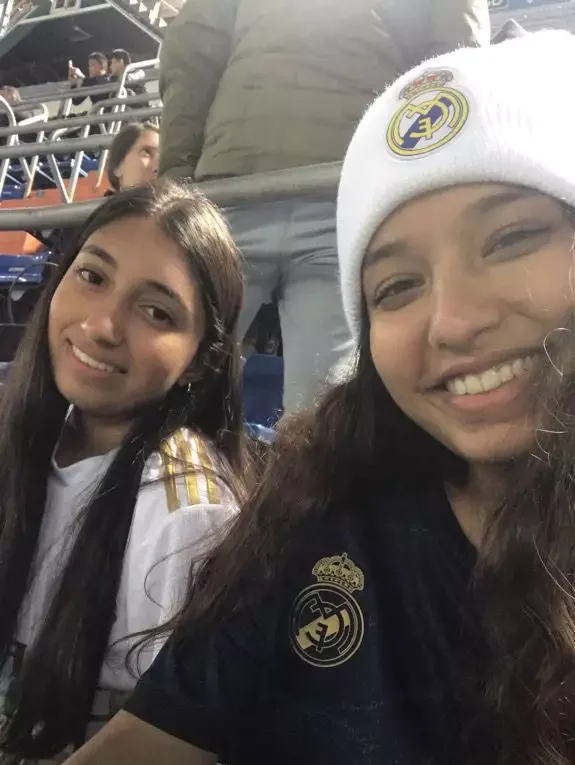
“After Or was killed, I chose to stay in combat service and pursue a commander, to continue her path,” Savyon shares. “Bereavement taught me to value every moment, every person, every detail.”
Her commemoration is woven into her choices:
“Sometimes it’s writing about her, sharing memories, or simply choosing to serve in the places she no longer can. It’s not a monument—it’s how I live my life in her memory.”
Savyon also speaks about the importance of supporting other bereaved siblings:
“There’s no ‘right way’ to grieve. Some days are hard, others are lighter. In the delegation, I felt true belonging for the first time. I didn’t have to explain myself. We were one family. There were painful moments, but also laughter. My mission is to show others that it’s possible to move forward even when the road is hard.”
A Collective Strength
Maj. Gen. (res.) Nadav Padan, FIDF CEO and former commander of the IDF Central Command, reflects on the program:
“Legacy is not only a journey of remembrance but a journey of life. With eight delegations and about 350 participants so far, we see how grief requires not just a day of commemoration but ongoing support, community, and frameworks. Watching these young people turn pain into strength is hope in its purest form.”
Stav, another participant, echoes this sentiment:
“The pain never disappears, but I can choose what to do with it. I can stay in the dark place, or I can turn it into giving and meaning. Even when I came to give, I received just as much. I learned it’s possible to live alongside grief, not under its shadow.”
The Wheel of Support
Maya describes the delegation as a wheel:
“As a child, I received my wheel from those who were there for me. Now it’s my turn to pass it forward. One day, these campers will pass it on too. That’s how we hold each other up.”
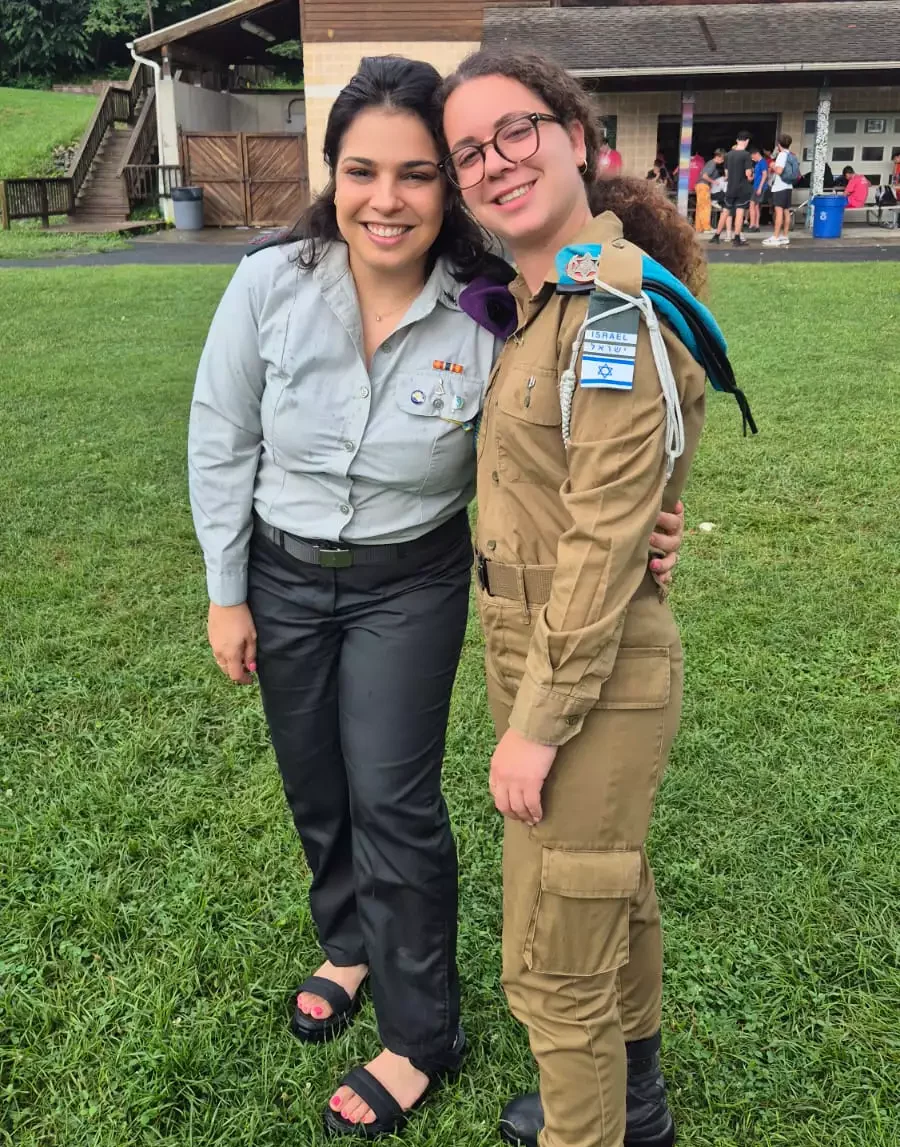
Lt. Col. Li Zorea Tovim (see photo on the left), Head of the IDF Casualties Unit’s Personal Branch, concludes:
“From the most painful place, we choose to build life—through belonging, community, and friendships that last a lifetime. These delegations are not only about remembrance and respite, but also about hope and growth.”



Let Us Know What You Think